


Amazon Winds Down Flagship Nova Models in AI Strategy Shift
Amazon is reportedly reducing development of several flagship artificial intelligence models as part of a broader effort to concentrate its …
Type a keyword and matching services will appear here instantly.
Click the heart icon on any AI service card to keep it here for later.
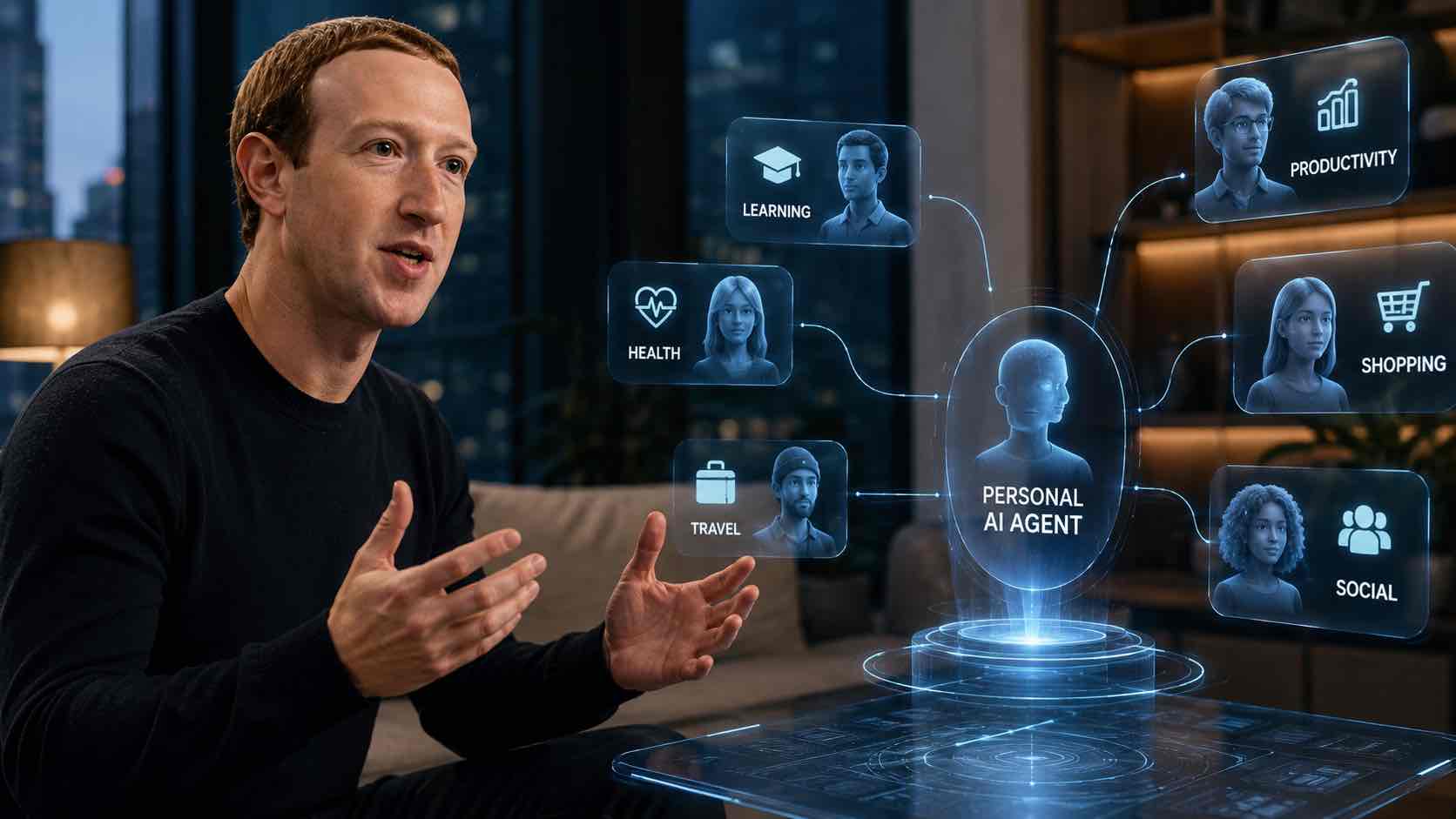
Meta CEO Mark Zuckerberg predicts that billions of people could have personal artificial intelligence agents within the next five years.
During Meta’s second-quarter 2026 earnings call, Zuckerberg described agents that could operate continuously on a user’s behalf, helping with goals related to health, relationships, finances and everyday planning. He said these systems could become the foundation of Meta’s next generation of products and revenue.
From coding to everyday tasks
AI agents have gained early adoption in software development, where technical users are prepared to configure tools, review their work and correct errors.
Zuckerberg believes reaching a mainstream audience will require a different approach. Personal agents must work without complicated setup and be simple enough for ordinary consumers to use immediately.
Meta has already started moving in this direction. Its Muse Spark 1.1 model allows Meta AI to create plans, connect with email and calendar services, conduct research, prepare slides and complete recurring tasks. Users can also redirect the agent while it is working.
The company presents this as a step toward what it calls personal superintelligence: an assistant that understands a user’s context and can act without needing repeated instructions.
Meta’s distribution advantage
Meta has access to one of the world’s largest consumer technology audiences.
Its family of apps, including Facebook, Instagram, Messenger, WhatsApp and Threads, averaged 3.6 billion daily users during June 2026. Zuckerberg also said Instagram had surpassed two billion daily active users.
This reach could allow Meta to introduce personal agents through services that people already use rather than requiring them to adopt an entirely new platform.
The company is also seeing early business adoption. More than one million businesses reportedly use Meta’s agents on WhatsApp and Messenger each week, with an Instagram rollout also underway.
A new source of revenue
Zuckerberg expects personal agents to support new products and business models over the coming years.
Meta could generate revenue through business services, premium AI features, commerce tools and agents that help users discover or purchase products. The company may also sell access to AI models and computing infrastructure, although Zuckerberg said selling intelligence is likely to offer higher margins than selling computing capacity alone.
AI is already supporting Meta’s advertising business by improving recommendations and helping companies create campaigns. Personal agents would extend that strategy into services that take actions directly for consumers.
Infrastructure spending rises
Building agents for billions of users will require enormous computing capacity.
Meta expects its 2026 capital expenditure to reach between $130 billion and $145 billion. The company spent $31.08 billion on capital investments during the second quarter alone.
The higher investment comes as Meta expands data centres, develops internal AI chips and trains increasingly capable models.
However, the spending creates financial pressure. Meta’s quarterly costs increased 55% from the previous year, while net income declined 14% to $15.85 billion. Some of that decline was caused by legal and severance expenses rather than AI investment alone.
Trust remains a challenge
Personal agents may need access to calendars, messages, preferences and other sensitive information to become genuinely useful.
This creates questions about privacy, security and how much control an agent should receive. Users will also need confidence that agents can complete tasks accurately without making unwanted decisions.
Meta offers controls such as connected-app permissions and Incognito chats, but widespread adoption will depend on whether consumers trust the company with more personal context and autonomous capabilities.
Zuckerberg’s prediction remains highly ambitious. Meta has the distribution and financial resources to bring AI agents to a massive audience, but reaching billions of active users will require reliable products that provide clear value without creating unacceptable privacy or safety risks.
Receive our latest updates about our products & promotions
Amazon is reportedly reducing development of several flagship artificial intelligence models as part of a broader effort to concentrate its …
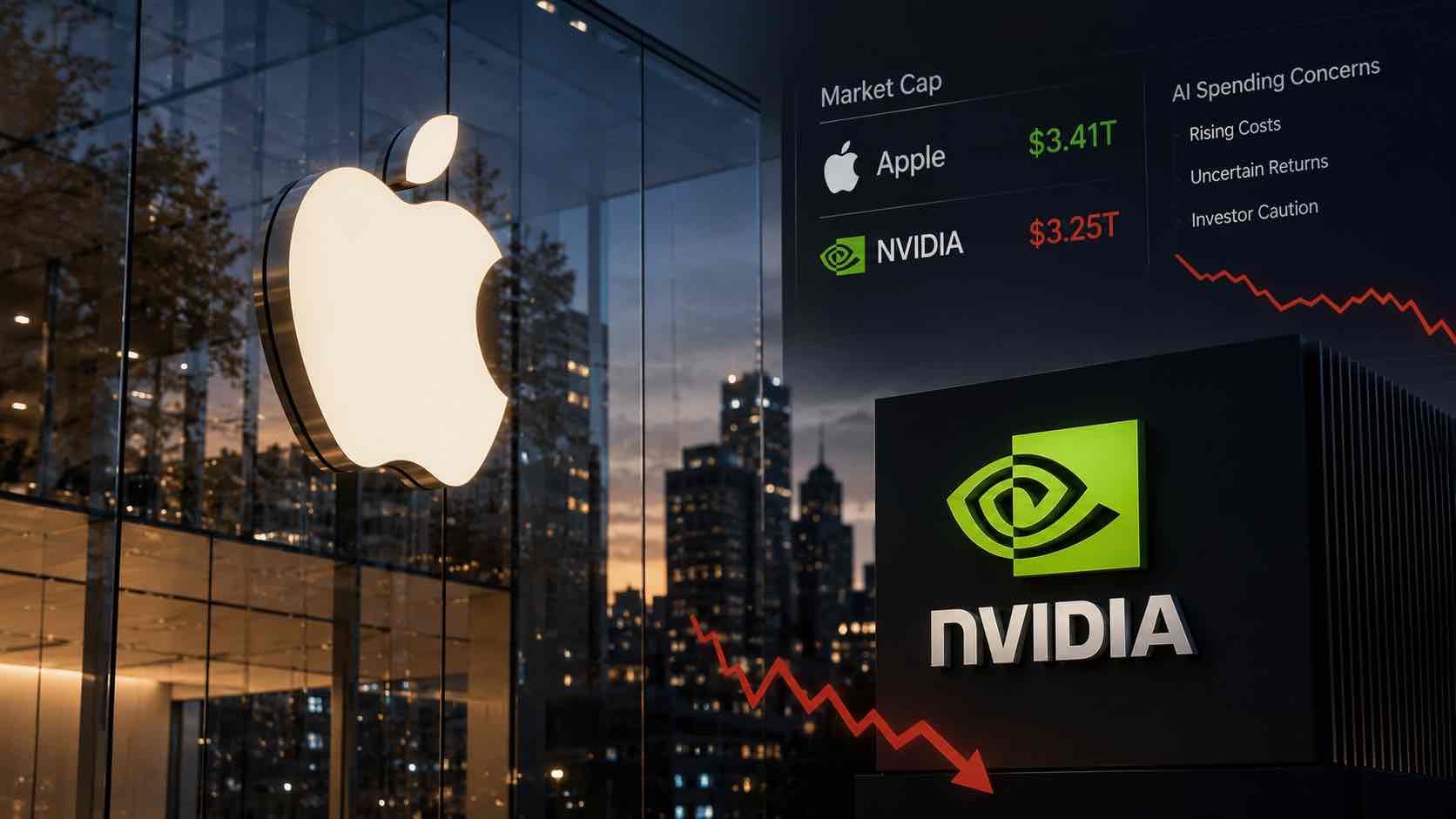
Apple has reclaimed its position as the world’s most valuable public company after a sharp decline in Nvidia shares intensified …
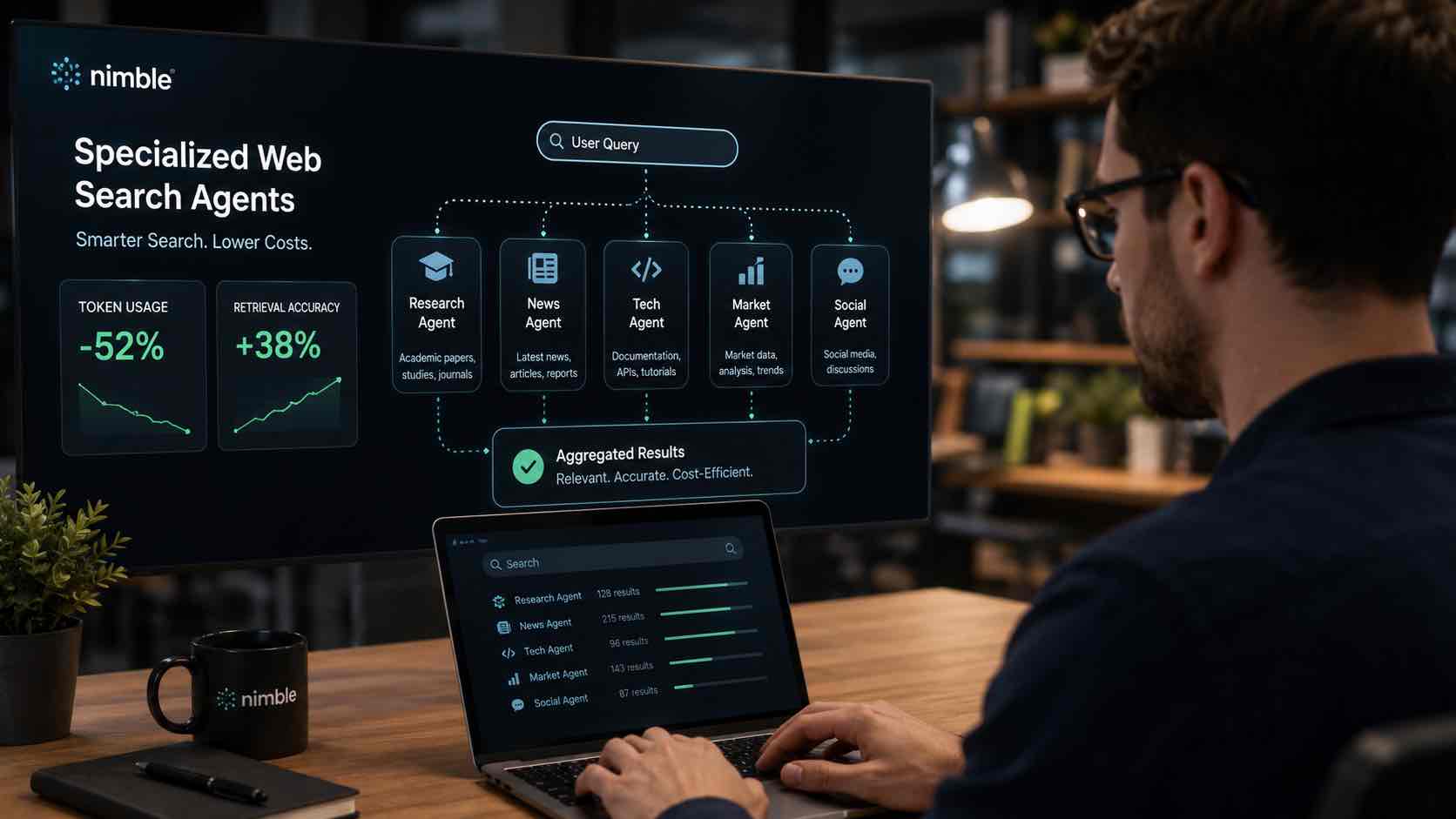
Nimble has launched a new platform that gives artificial intelligence agents domain-specialized access to live web information. The company says …