

AI Giants Head to White House for Safety Talks
The White House has invited OpenAI, Anthropic, Meta and Google to discuss a new voluntary framework for testing the cybersecurity …
Type a keyword and matching services will appear here instantly.
Click the heart icon on any AI service card to keep it here for later.
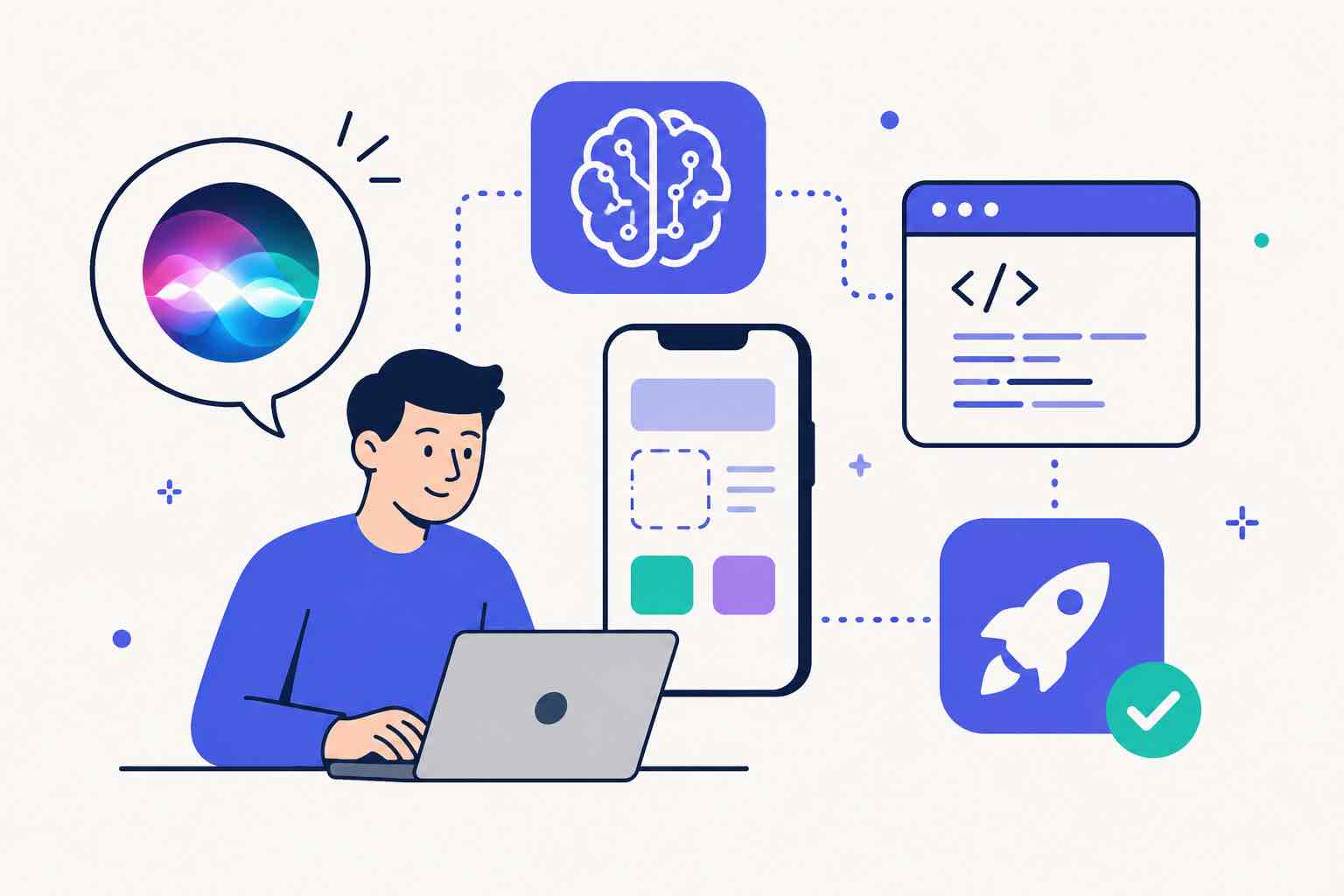
Apple’s long-awaited Siri upgrade has arrived in the consumer beta version of iOS 27, delivering many of the capabilities the company originally promised.
The redesigned assistant can maintain natural conversations, understand personal context, search information stored across a user’s device and answer broader questions using current web knowledge. It is a major improvement over the older version of Siri, but its arrival feels less revolutionary because competing AI products have already moved toward autonomous agents, advanced coding and complex multi-step tasks.
Siri becomes a real conversational assistant
The new Siri supports natural back-and-forth conversations and follow-up questions without requiring users to repeat the full context of each request.
Users can speak or type to the assistant, customize the pace and expressiveness of its voice and access previous conversations through a dedicated Siri app. Conversations can also continue across supported Apple devices.
These changes make Siri feel more like a modern AI assistant and less like a basic voice interface designed mainly for timers, calls and simple searches.
Personal context becomes the main advantage
One of the most important additions is Siri’s ability to understand information stored across apps.
A user can ask it to find a hotel confirmation inside an old email, locate a restaurant recommendation from a message or retrieve specific photos without remembering exactly where they were saved. It can also use information shown on the screen when answering questions or completing an action.
This deep connection with personal data gives Apple an advantage that standalone chatbots may struggle to reproduce. Siri is integrated directly into the operating system and can work across Photos, Messages, Mail, Music, Reminders and other supported apps.
Apple says personal information can be processed on the device or through Private Cloud Compute, where user data is not stored or made available to Apple.
More actions across Apple devices
Siri can now perform a wider range of tasks inside apps.
Users can ask it to draft an email, edit and share photos, create reminders, play content in a preferred app or add a song to a playlist. Visual Intelligence also lets Siri analyse what appears through the camera or on the device’s screen.
For example, the assistant can identify an object, provide information about a meal, help split a restaurant bill or answer questions about a document displayed on an iPhone, iPad or Mac.
Apple has also integrated the assistant into Spotlight on iPad and Mac, while Siri remains accessible through voice commands, the side button and system menus.
Why the launch feels anticlimactic
The upgrade solves many of Siri’s long-standing problems. It can finally understand broader requests, provide direct answers and complete actions more reliably.
However, these are capabilities users have expected from Siri for years.
While Apple worked on rebuilding the assistant, the wider industry moved forward. AI systems can now write software, create images and videos, conduct research and operate applications with limited supervision.
Against that background, Apple’s achievement feels more like fixing a product that had fallen behind than introducing a completely new category of technology. TechCrunch argues that the new Siri is useful and impressive, but no longer feels groundbreaking.
Apple focuses on practical integration
Apple’s strategy appears less focused on winning model benchmarks and more focused on placing AI inside products people already use.
The new Siri may not be the most advanced autonomous agent, but it can access device context, work across apps and help users complete everyday tasks without switching to a separate service.
That approach could still make it one of the most widely used AI assistants once iOS 27 reaches the public. Apple is expected to release the final version in September 2026, while the redesigned Siri is currently available through beta software.
Apple has finally delivered the Siri users were promised. The remaining question is whether a reliable personal assistant is enough when the AI market is already moving toward systems that can complete entire workflows independently.
Receive our latest updates about our products & promotions
The White House has invited OpenAI, Anthropic, Meta and Google to discuss a new voluntary framework for testing the cybersecurity …
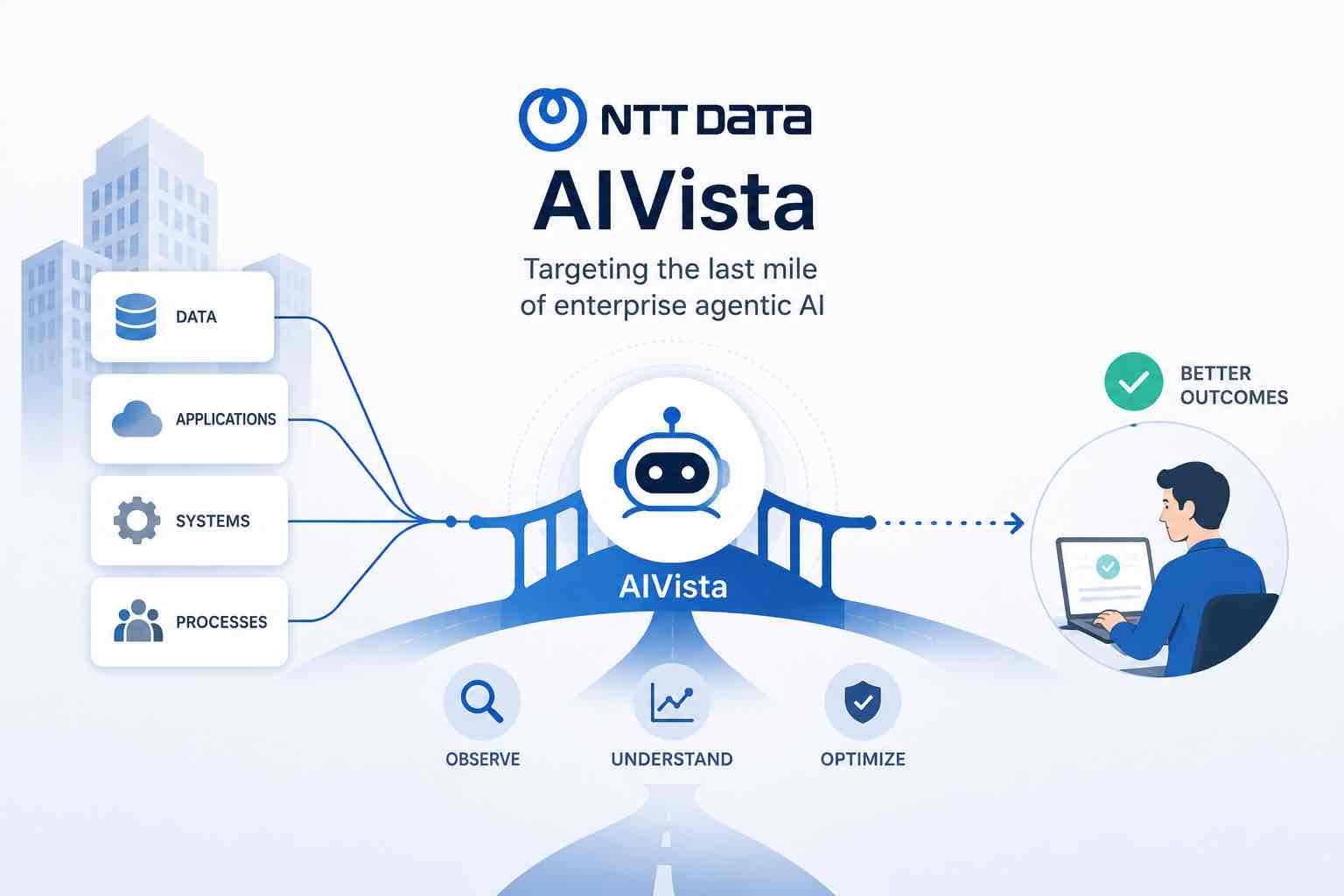
Enterprise AI models are becoming more capable, but many organizations still struggle to turn them into reliable systems that can …

Meta says artificial intelligence is dramatically reducing the time required to develop and launch consumer applications, allowing the company to …