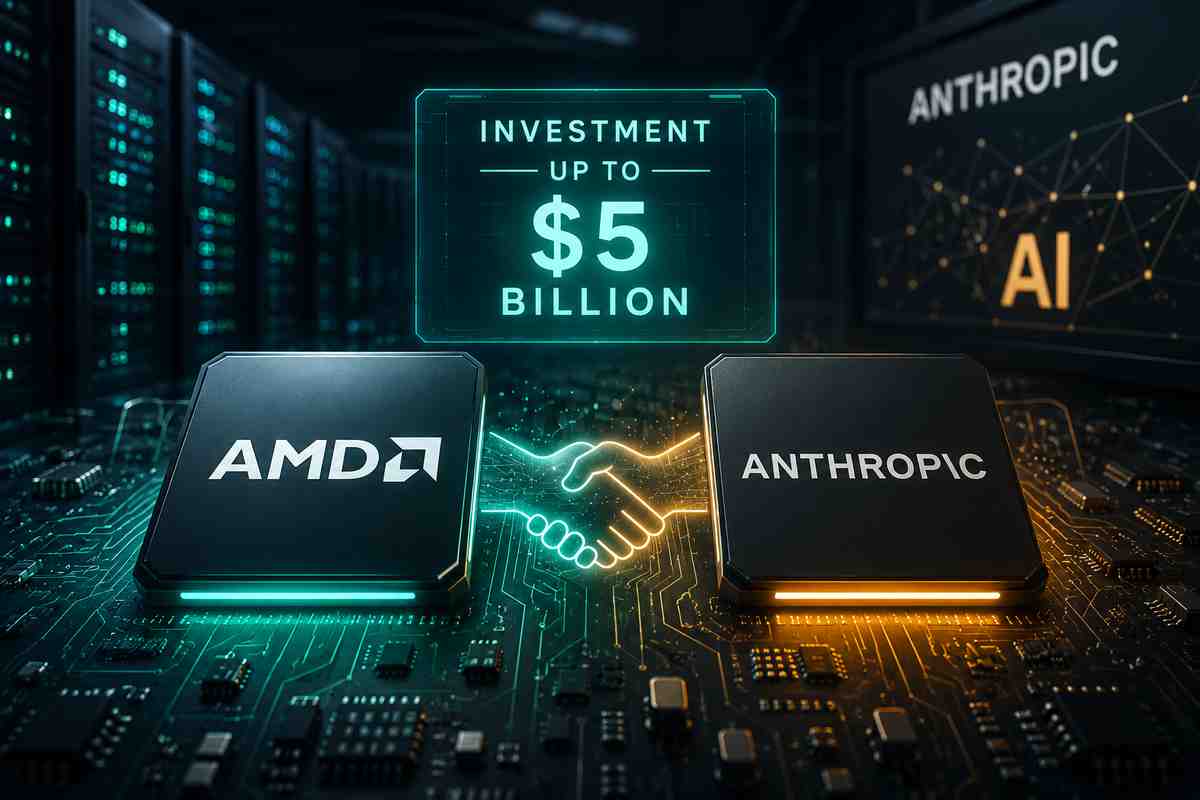
AMD to Invest Up to $5 Billion in Anthropic Chip Deal
AMD has agreed to invest up to $5 billion in Anthropic as part of a major partnership covering AI chips, …
Type a keyword and matching services will appear here instantly.
Click the heart icon on any AI service card to keep it here for later.
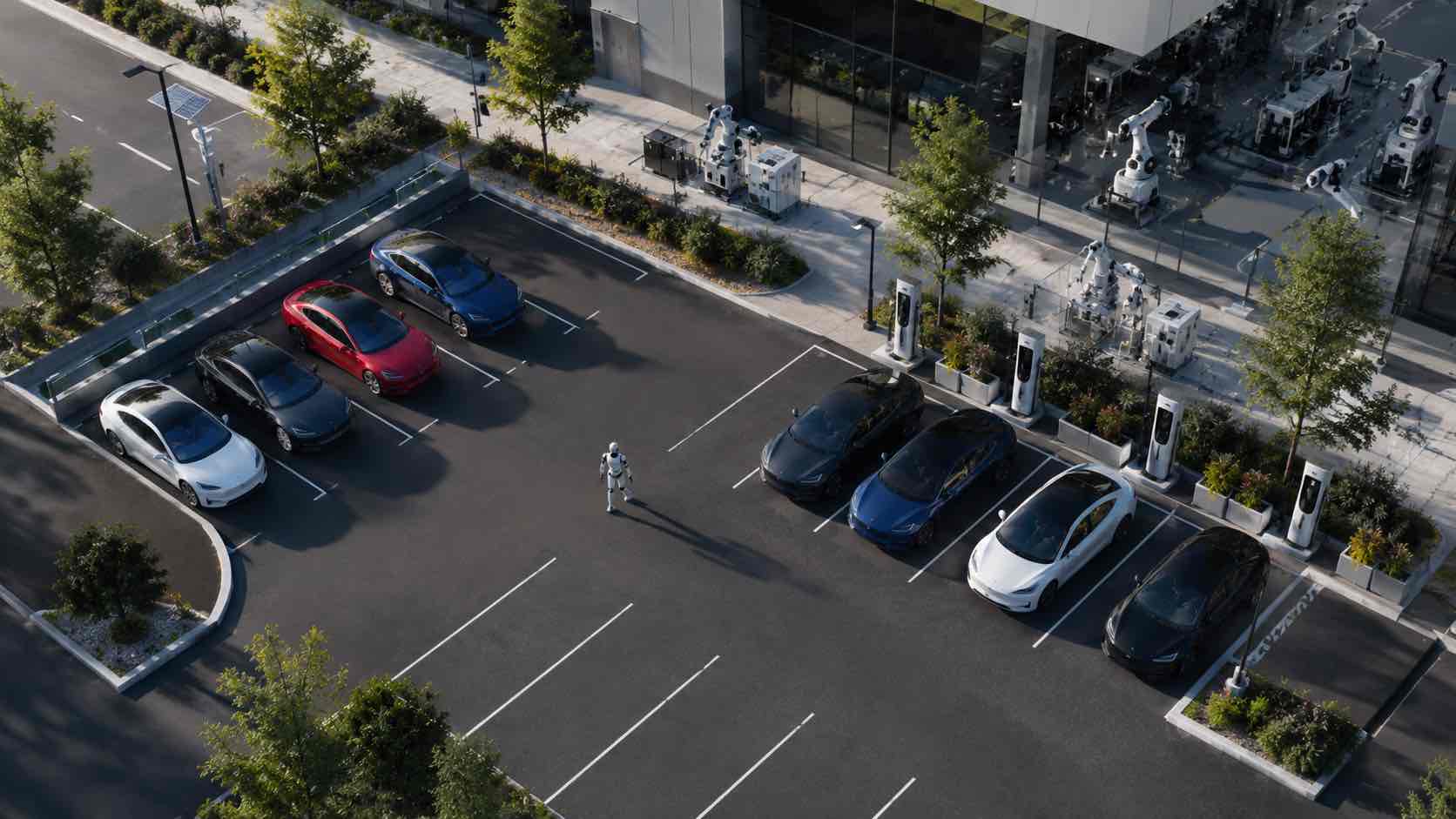
Tesla reported lower-than-expected second-quarter profit despite strong revenue and a sharp increase in vehicle deliveries, as growing investment in artificial intelligence, autonomous driving and robotics placed pressure on earnings.
The electric vehicle maker generated $28.24 billion in quarterly revenue, up 26% from the previous year and above Wall Street forecasts. Net income reached $1.11 billion, while adjusted earnings of 33 cents per share missed analysts’ expectations of 53 cents. Tesla shares fell more than 4% in after-hours trading following the results.
Higher sales, weaker profit
Tesla delivered 480,216 vehicles during the quarter, representing a 25% year-over-year increase. Most deliveries came from the Model 3 and Model Y, supported by lower-priced versions and improved demand in several international markets.
The company’s energy generation and storage division also grew, producing revenue of $3.14 billion, an increase of 13% from the same period a year earlier.
However, higher sales did not translate into stronger profit. Tesla increased spending on research, computing infrastructure and new manufacturing projects as it continued moving beyond its traditional electric vehicle business.
AI investment increases costs
Research and development spending climbed 49% to $2.37 billion during the quarter. Tesla is investing in the computing systems and software required for autonomous vehicles, Robotaxi services and its Optimus humanoid robot.
Capital expenditure reached approximately $5.8 billion, contributing to negative free cash flow of about $1.1 billion. Tesla expects total capital spending to exceed $25 billion in 2026 and continue rising during the following two to three years.
CEO Elon Musk said the investment was necessary to prepare Tesla for future growth, although several of the company’s most ambitious products remain at an early stage.
Robotaxi expansion remains cautious
Tesla has expanded its Robotaxi service to seven major US metropolitan areas, but the rollout remains limited. Musk said the company was moving carefully because accidents involving autonomous vehicles could attract negative publicity and stronger regulatory action.
Tesla has also started producing the Cybercab at its Texas factory, although executives did not provide clear targets for how many vehicles will enter service.
Subscriptions to Tesla’s Full Self-Driving supervised software have reached nearly 1.5 million globally, giving the company another potential source of software-based revenue.
Optimus becomes a major priority
Tesla expects to begin production of its Optimus humanoid robot later in 2026. Musk has repeatedly described the robot as one of Tesla’s most important future products, while acknowledging that developing and manufacturing an autonomous humanoid system remains extremely difficult.
The company must also compete with a growing number of robotics developers, particularly in China, while proving that Optimus can perform useful tasks reliably and at an affordable cost.
Tesla’s latest results show the financial challenge behind its transformation. Revenue and vehicle deliveries are growing again, but investment in AI, robotics and autonomous transportation is reducing current profitability.
The success of this strategy will depend on whether Robotaxi, Optimus and AI-powered services can eventually generate enough revenue to justify Tesla’s rapidly increasing spending.
Receive our latest updates about our products & promotions
AMD has agreed to invest up to $5 billion in Anthropic as part of a major partnership covering AI chips, …
Alphabet delivered another quarter of strong revenue growth, led by Google Cloud and continued resilience in Search. However, the results …
Sony Semiconductor Solutions and Mitsubishi Electric have agreed to establish a joint venture focused on AI-powered vision sensors for manufacturing. …