


Black Forest Labs Launches FLUX 3 for Images, Video and Audio
Black Forest Labs has introduced FLUX 3, a multimodal artificial intelligence model designed to generate and edit images, video and synchronized …
Type a keyword and matching services will appear here instantly.
Click the heart icon on any AI service card to keep it here for later.

Microsoft has launched two new internally developed artificial intelligence models as it works to reduce the cost of operating AI features across its products.
The new Microsoft in-house AI models, MAI-Image-2.5-Pro and MAI-Voice-2-Flash, are designed for professional image generation and low-latency speech. Microsoft says internal deployments have reduced GPU costs by as much as 89% compared with some OpenAI-powered workloads.
New image model
MAI-Image-2.5-Pro is Microsoft’s highest-quality image generation model to date.
It supports text-to-image generation and image editing, including targeted object changes, layout adjustments, text replacement and the removal of visual artifacts. Microsoft positions it for professional design, marketing and production workflows.
The model is available in preview through Microsoft Foundry. It is also being integrated into Microsoft products including Bing Image Creator, PowerPoint and OneDrive.
Microsoft says Bing Image Creator is now fully powered by its own image models. In PowerPoint, the company reported GPU cost reductions of up to 84% compared with GPT-Image-2, while OneDrive tests produced lower latency and improved image-save rates.
Faster voice generation
MAI-Voice-2-Flash is a text-to-speech model built for real-time voice agents, assistants and contact-center applications.
The model generates expressive speech across 15 languages and supports control over tone, emotion and delivery. It can also reproduce an approved voice from a short audio sample without additional training.
Microsoft says the Flash version is twice as fast as MAI-Voice-2 and 32% cheaper, with a listed price of $15 per one million characters.
The model is being introduced across Dynamics 365 Contact Center and other voice-based Microsoft services. The company claims selected Dynamics 365 workloads achieved GPU cost reductions of up to 89%.
Reducing reliance on partners
Microsoft has relied heavily on OpenAI models to power products such as Copilot and Azure AI services.
However, rapidly increasing inference costs have encouraged the company to route more workloads through its own MAI model family. Microsoft has already begun using internal models for selected tasks in products including GitHub Copilot, Excel and Outlook.
This does not mean Microsoft is ending its relationship with OpenAI. The company continues to provide OpenAI and other third-party models through Microsoft Foundry.
Instead, Microsoft is adopting a mixed-model strategy. Expensive frontier models can handle the most complex tasks, while smaller or specialised in-house systems can process high-volume workloads at a lower cost.
Models built for specific products
The new releases reflect Microsoft’s growing focus on models designed for particular applications rather than one system handling every task.
MAI-Image-2.5-Pro is optimised for visual creation and editing, while MAI-Voice-2-Flash focuses on speed, expressive speech and real-time interaction.
This specialised approach allows Microsoft to optimise models around the requirements of its own products, including latency, infrastructure cost and user behaviour.
Microsoft is also distributing its MAI models through Foundry and external platforms, allowing developers to deploy them outside the company’s consumer applications.
The launches show that Microsoft is becoming more than a distributor of OpenAI technology. It is building a broader portfolio of proprietary models that can power its products while reducing dependence on external providers.
The long-term impact will depend on whether Microsoft can maintain competitive quality while delivering the cost savings it reported from its internal deployments.
Receive our latest updates about our products & promotions
Black Forest Labs has introduced FLUX 3, a multimodal artificial intelligence model designed to generate and edit images, video and synchronized …
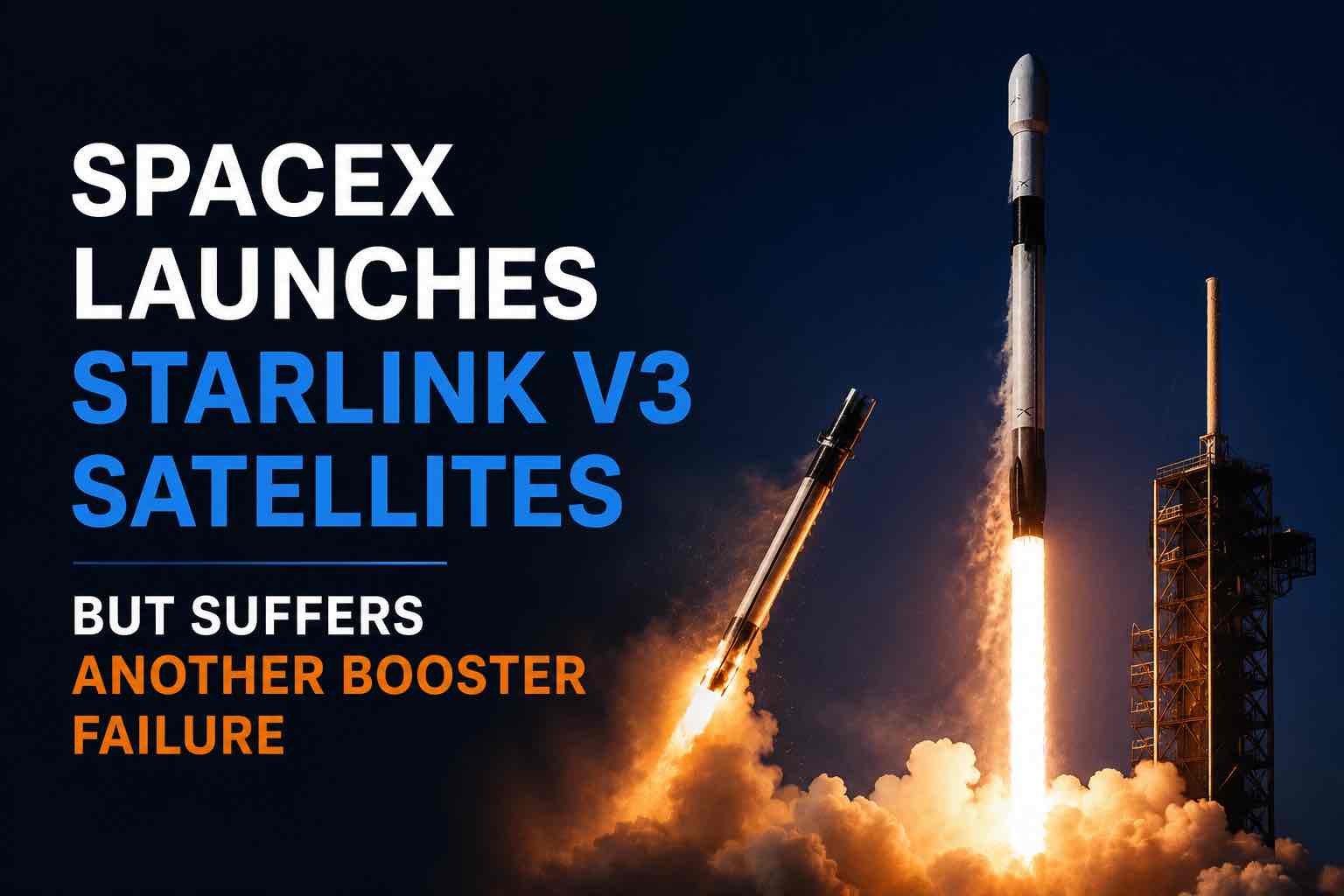
SpaceX successfully deployed its first operational Starlink V3 satellites during the 13th test flight of Starship, marking a major step …

Anthropic has launched Claude Opus 5, its latest high-performance artificial intelligence model for coding, research, financial analysis and long-running agent workflows. …