

AMD Microsoft AI Deal Expands Azure Infrastructure and Lifts AMD Stock
AMD shares climbed around 5% after Microsoft announced plans to deploy the chipmaker’s latest artificial intelligence infrastructure across its Azure …
Type a keyword and matching services will appear here instantly.
Click the heart icon on any AI service card to keep it here for later.

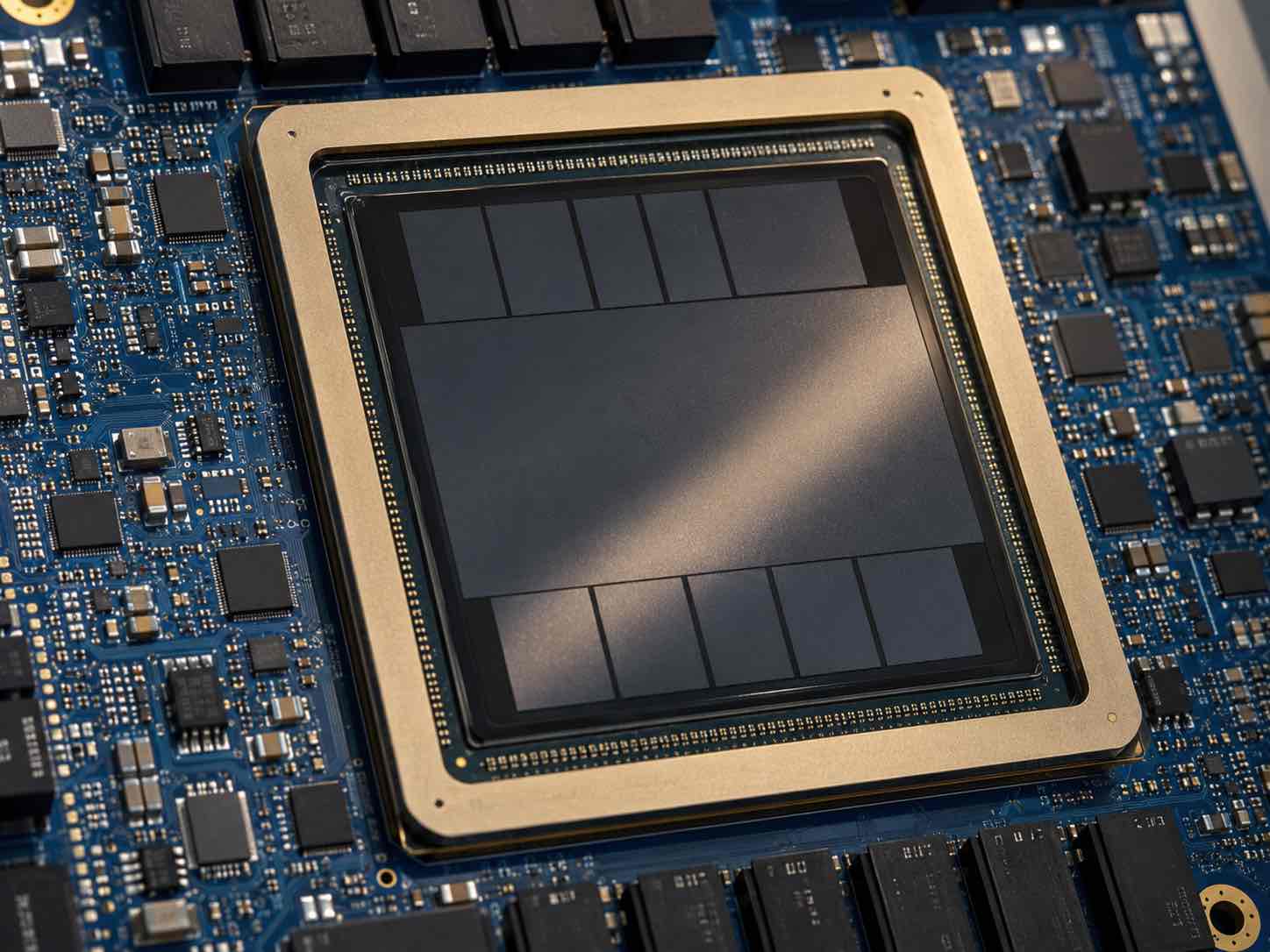
Google is reportedly developing a new server chip designed to run its Gemini artificial intelligence models with significantly greater energy and computing efficiency.
The experimental processor, informally known as Frozen v2, could incorporate parts of the Gemini model directly into its hardware. This approach would allow Google to optimize the chip for specific AI workloads instead of relying entirely on more general-purpose accelerators.
A new approach to AI chips
Frozen v2 is expected to form a new category of Google-designed AI processors rather than replace the company’s existing Tensor Processing Units.
Google already uses TPUs to train and operate large AI models across its services and cloud infrastructure. The company introduced its eighth-generation TPU systems in April 2026, including separate chips optimized for AI training and inference.
The Frozen project would take specialization further by hardwiring selected model information into the processor. Engineers are reportedly still deciding how much of Gemini should be integrated into the final design.
Higher efficiency
The new chip could deliver between six and ten times greater efficiency than Google’s latest custom AI processors when measured by the number of AI tokens generated per unit of power.
Greater efficiency would help Google serve more Gemini requests while reducing electricity consumption and pressure on data-center capacity. This is becoming increasingly important as AI models require more computing power for reasoning, coding and agent-based tasks.
Google reportedly hopes to deploy Frozen v2 as early as 2028, although the project remains at an early stage and its design may still change.
Addressing computing shortages
The development comes as Google faces growing demand for AI computing resources.
According to the report, limited infrastructure capacity has created internal pressure and has sometimes forced Google Cloud to reject potential customer projects. A processor optimized specifically for Gemini could help the company increase capacity without depending only on conventional GPUs or existing TPUs.
A Google Cloud spokesperson said the company continually researches new technologies and improves efficiency by designing hardware and software together.
Part of Google’s wider AI strategy
Google has spent years building custom infrastructure for machine learning. Frozen v2 would extend that strategy by creating hardware closely matched to a particular family of AI models.
The project could also strengthen Google’s position against Nvidia, AMD and other AI chip providers. However, Frozen v2 is not expected to eliminate Google’s use of external processors or its existing TPU systems.
Alphabet shares gained approximately 3.3% in early trading following reports about the project, although Google has not officially confirmed its launch date or final performance specifications.
If development continues as planned, Frozen v2 could help Google operate Gemini more efficiently while reducing one of the biggest constraints facing the AI industry: access to affordable computing capacity.
Receive our latest updates about our products & promotions
AMD shares climbed around 5% after Microsoft announced plans to deploy the chipmaker’s latest artificial intelligence infrastructure across its Azure …

US and Japan Expand Strategic AI and Technology Partnership The US-Japan AI collaboration has developed into a broad technology partnership …

Writing effective prompts can dramatically improve the quality of Claude's responses, but creating them from scratch every time takes effort. …